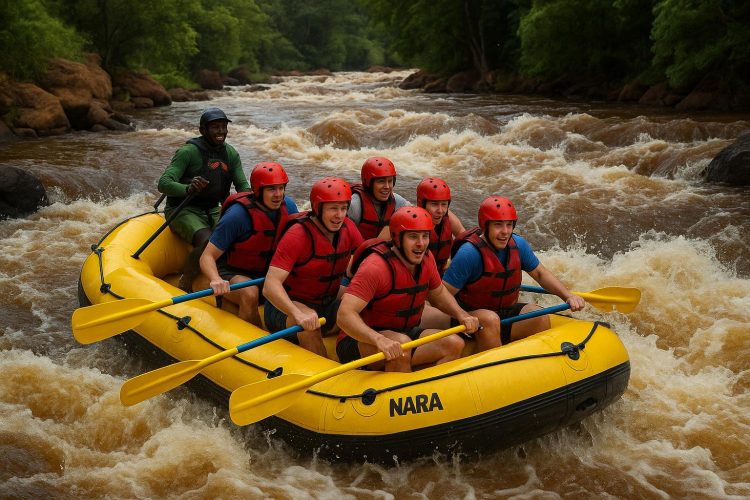
Introduction to White-Water Rafting on the Tana River
White-water rafting on the Tana River offers an exciting adventure for both beginners and experienced rafters. Located in Kenya, the Tana River is the longest river in the country and provides an excellent setting for a thrilling rafting experience. This article explores the various aspects of white-water rafting on this river, focusing on its challenges, opportunities, and logistical details.
The Tana River’s Characteristics
The Tana River extends approximately 1,014 kilometers, originating in the Aberdare Mountains and emptying into the Indian Ocean. This river is integral to Kenya’s ecosystem, supporting diverse wildlife habitats and nurturing lush vegetation along its course. The section most favored for rafting lies upstream, where the river’s gradient creates suitable rapids ranging from grades II to V. These rapids offer varying difficulty levels, making the Tana River a versatile and popular destination for rafting enthusiasts.
Key Features of the Rafting Experience
Rapids: The Tana River boasts numerous rapids, each offering unique challenges. Captain’s Folly is known for its unpredictable twists, while Can of Worms presents a series of quick, technical turns that demand precise navigation. Sphincter Flexor, another famous rapid, tests even the most seasoned rafters with its powerful water flows. These rapids cater to different levels of expertise, providing diverse challenges that contribute to an exhilarating rafting experience.
Scenery: Beyond the thrill of navigating rapids, the Tana River offers remarkable scenery that captures the essence of Kenya’s natural beauty. Rafters can enjoy views of lush landscapes, with dense vegetation lining the riverbanks. This region is teeming with wildlife; rafters might catch glimpses of hippos, crocodiles, and various bird species during their journey. The river’s surroundings provide a serene backdrop that adds to the overall appeal of the rafting adventure.
Optimal Time for Rafting
The ideal time for rafting on the Tana River is between December and March, or during July to September. These months coincide with the dry seasons in Kenya, when the weather is more predictable, and the water levels are optimal for rafting. Planning a trip during these periods enhances the rafting experience by reducing the risks associated with high or fluctuating water levels. It is crucial for potential rafters to consult local weather reports and possibly liaise with local rafting companies before scheduling their adventure, as this ensures that conditions are both safe and enjoyable.
Safety Considerations and Preparations
Ensuring safety while rafting on the Tana River is paramount for all participants. Engaging with professional rafting companies is highly recommended, as they offer guided tours led by knowledgeable instructors. These companies provide essential rafting equipment, including helmets, life vests, and paddles, ensuring that participants are adequately protected.
Proper instruction regarding safety protocols is also a critical component of a safe rafting trip. This includes understanding hand signals used to communicate while on the water and knowing the emergency procedures to follow if a raft capsizes. The importance of listening to the guide’s instructions and acting quickly cannot be overstated.
While personal preparedness is key, the choice of rafting company plays a significant role in the overall safety and enjoyment of the excursion. Expert Rafting Company exemplifies a reputable service provider that offers guided tours on the Tana River. Booking through established companies with positive reviews and a clear emphasis on safety ensures a more secure and rewarding rafting experience.
Additional Considerations
Cultural Contexts: Engaging with the Tana River also presents an opportunity to understand the cultural backdrop of the region. The river is central to the livelihoods and traditions of many local communities who live along its banks. Rafters may have opportunities to interact with these communities, gaining insights into their way of life and the role the river plays in their daily activities.
Environmental Impact: It is essential to approach rafting with an awareness of its environmental impact. Participants should adhere to the principles of eco-friendly tourism, ensuring that their activities do not disrupt the natural habitats surrounding the river. Employing responsible tourism practices such as minimizing waste, respecting wildlife, and following designated trails contributes positively to the sustainability of the rafting sector.
Concluding Remarks
White-water rafting on the Tana River serves as a captivating excursion that combines the thrill of adventure with the tranquility of nature. While the river offers varied challenges for rafters, ensuring safety through professional guidance and equipment is crucial. Rafters can enjoy an array of experiences, from navigating challenging rapids to marveling at the scenic beauty along the river. The combination of adventure, culture, and nature makes the Tana River a unique destination for those seeking both an adrenaline rush and an appreciation for the natural world.
In preparing for such an adventure, careful planning and adherence to safety and environmental guidelines guarantee that rafters can fully enjoy the rewarding experience the Tana River has to offer. Whether looking for a beginner-friendly trip or a challenging rafting journey, the Tana River accommodates a wide range of preferences and reveals the beauty of Kenya’s landscapes.