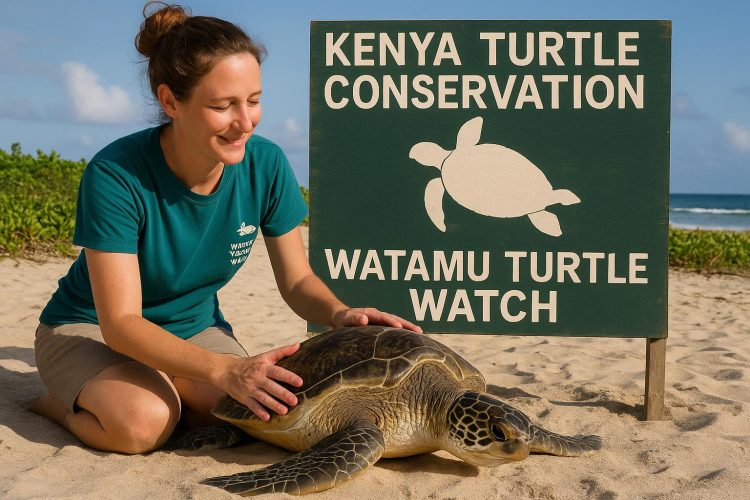
Turtle Conservation Efforts in Watamu
Watamu, nestled on the stunning coast of Kenya, has become a focal point for dedicated conservation initiatives aimed at protecting endangered sea turtles. This concerted effort is driven by the need to safeguard these majestic creatures and ensure their continued presence in marine ecosystems. Central to these initiatives is the protection of natural habitats, which are crucial for the survival and reproduction of sea turtles.
The Importance of Sea Turtles
Sea turtles are indispensable to marine ecosystems due to their ecological roles. They are vital in the maintenance of healthy seagrass beds and coral reefs, which in turn support a wealth of marine biodiversity. By grazing on seagrass, sea turtles help to increase the productivity and nutrient content of these beds, leading to more resilient coastal ecosystems. Furthermore, their presence in coral reefs ensures a balanced marine food web, as they help control sponge populations, thus preventing these sponges from overwhelming the corals. Additionally, sea turtles contribute to the nutrient cycling process by transferring nutrients from the ocean to sandy beaches, an essential mechanism for sustaining coastal environments. The protection of sea turtles is therefore not just about preserving a single species, but it ensures the integrity of entire marine ecosystems.
Watamu’s Unique Environment
The unique environmental makeup of Watamu is pivotal for successful turtle conservation. Located within the boundaries of the Malindi-Watamu National Marine Park and Reserve, Watamu offers a rich tapestry of biodiversity. This includes vibrant coral reefs that serve as feeding grounds, extensive seagrass beds that form critical foraging areas, and lush mangroves that contribute to the ecological balance. These interconnected ecosystems provide the perfect habitat for various turtle species, facilitating both nesting and foraging, and allowing them to thrive. The area’s protection as a marine reserve underscores its importance as a biodiversity hotspot and its role as a sanctuary for sea turtles.
Key Conservation Organizations
The success of turtle conservation in Watamu is greatly attributable to the efforts of several dedicated organizations. Among them, the Watamu Turtle Watch stands out for its comprehensive approach to conservation. This organization is committed to rescue operations, rehabilitating injured turtles and ensuring their safe release back into the ocean. Beyond individual turtle care, they engage in systematic beach monitoring, which is crucial for tracking nesting activities and ensuring optimal conditions for turtle eggs. Community education is another pillar of their work, aiming to raise awareness of the importance of conservation efforts. This holistic approach helps to foster a culture of conservation within and beyond Watamu. To learn more about their initiatives, visit their website here.
Community Involvement
Integral to the success of conservation initiatives in Watamu is the active participation of the local community. The involvement of residents in conservation activities has been pivotal in creating a sustainable approach to turtle preservation. Local communities engage in beach clean-ups, an activity that directly prevents hazards to marine life by reducing pollution. Furthermore, educational workshops are organized to teach community members about the ecological roles of sea turtles and how their protection benefits the entire ecosystem. This grassroots approach not only increases awareness but also empowers local residents to take ownership of conservation efforts, making them partners in safeguarding their natural heritage.
Challenges and Threats
Despite the positive strides made in turtle conservation, several challenges continue to threaten progress. One of the most pressing issues is poaching, driven by the demand for turtle shells and other body parts. Habitat destruction due to coastal development and human encroachment further compounds these threats, leading to the loss of vital nesting and foraging grounds. Pollution, particularly from plastics and other waste materials, poses an ever-present danger to turtles and their habitats. Additionally, climate change represents a significant long-term threat, impacting reproductive patterns through a rise in sand temperatures that affect egg incubation. This array of challenges underscores the complexity of conservation efforts and the need for a multifaceted approach to address them.
Future Outlook
The future of turtle conservation in Watamu hinges on sustained effort and collaborative partnerships. It requires the continued involvement and support of conservation organizations, the local community, and governmental agencies. By pooling resources, compiling research, and sharing knowledge, these stakeholders can develop innovative strategies for addressing the challenges faced by turtle populations. There is a focus on enhancing habitat protection measures, strengthening law enforcement to combat poaching, and promoting sustainable tourism practices that benefit local communities and ecosystems.
Long-term success will also depend on integrating scientific research into conservation planning, adapting strategies to address the impacts of climate change, and expanding educational campaigns to foster a greater appreciation of marine life across wider demographics. By maintaining this multifaceted and inclusive approach, there is hope for creating a thriving environment for sea turtles and other marine species within Watamu and beyond. Through committed collaboration tailored to the challenges and opportunities present, the rich biodiversity of this coastal region will be preserved for future generations to experience and enjoy.