Introduction to Naboisho Conservancy
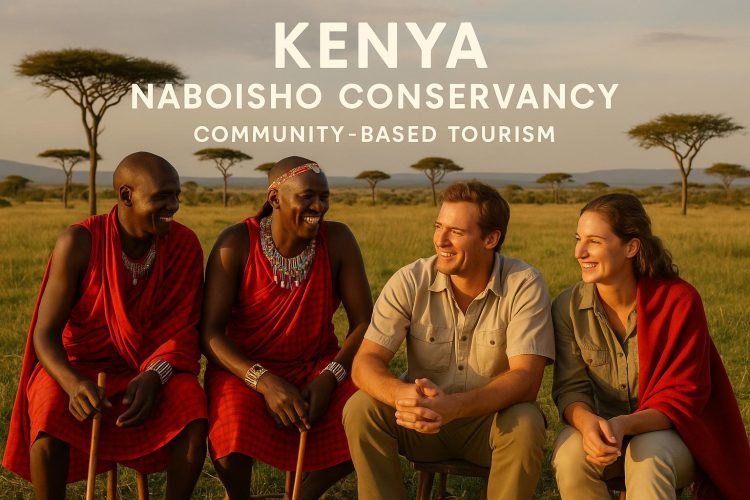
The Naboisho Conservancy represents a groundbreaking model of community-based tourism, showcasing a unique partnership between local communities, conservationists, and tourism operators. Situated adjacent to the iconic Maasai Mara National Reserve in Kenya, this conservancy integrates wildlife conservation with community empowerment, creating a symbiotic relationship that benefits both the environment and the Maasai people.
The Role of Community-Based Tourism
Community-based tourism at the Naboisho Conservancy is a paradigm shift where local communities play a pivotal role in conservation efforts. The conservancy’s successful functioning is largely attributed to the involvement of over 500 Maasai landowners, who have entered into a leasing agreement with tourism operators. This innovative model ensures that the economic benefits realized from tourism flow directly back to the community, providing a steady and sustainable source of income for the landowners. The empowerment of the Maasai people through financial independence and decision-making authority is at the heart of this collaborative effort.
Conservation Efforts
The Naboisho Conservancy serves as a vital refuge for a wide range of wildlife species. Due to its proximity to the Maasai Mara, a globally significant ecosystem, Naboisho plays a critical role in maintaining biodiversity and ensuring the survival of Kenya’s wildlife. The employment of local rangers, many of whom hail from the surrounding communities, underscores the importance of involving indigenous people in conservation efforts. These rangers are tasked with protecting the conservancy from threats such as poaching and habitat destruction, and their presence ensures that the area remains a safe haven for wildlife while also serving as stewards of the land.
Benefits to the Local Community
The Naboisho Conservancy model offers several essential benefits to the local Maasai community:
Economic Empowerment: By receiving lease fees from tourism operators and engaging in various business opportunities, the Maasai landowners experience significant economic upliftment. The steady inflow of income aids in alleviating poverty and provides a more stable financial future.
Education: A portion of the revenues generated from the conservancy is often redirected to support educational initiatives in the region. This includes the enhancement of existing schools and the establishment of scholarship programs, which are vital for improving literacy and equipping the younger generation with the skills they need for future employment.
Cultural Preservation: The community-based tourism model encourages the promotion and preservation of Maasai traditions and culture. By offering authentic cultural experiences to guests, the community can ensure that their cultural identity and heritage are not only displayed but also respected and maintained.
Sustainable Tourism Practices
Sustainability is a core principle of Naboisho Conservancy’s tourism approach. To reduce environmental degradation from tourism activities, the number of vehicles entering the conservancy is strictly controlled. This limitation not only minimizes ecological consequences but also enhances the quality of wildlife viewing by enabling a more serene and intimate experience with nature. Furthermore, the adoption of eco-friendly accommodations is actively promoted within the conservancy. These practices aim to diminish the carbon footprint associated with tourism development, guaranteeing that the natural beauty and ecological integrity of the area remain unspoiled for future generations.
The holistic approach taken by the Naboisho Conservancy as a model for community-based tourism integrates conservation goals with socio-economic development, ensuring a better quality of life for the local Maasai community as well as the preservation of one of the world’s most treasured ecosystems. To explore more about Naboisho Conservancy, their achievements, and their commitment to sustainable tourism, you can visit their website.