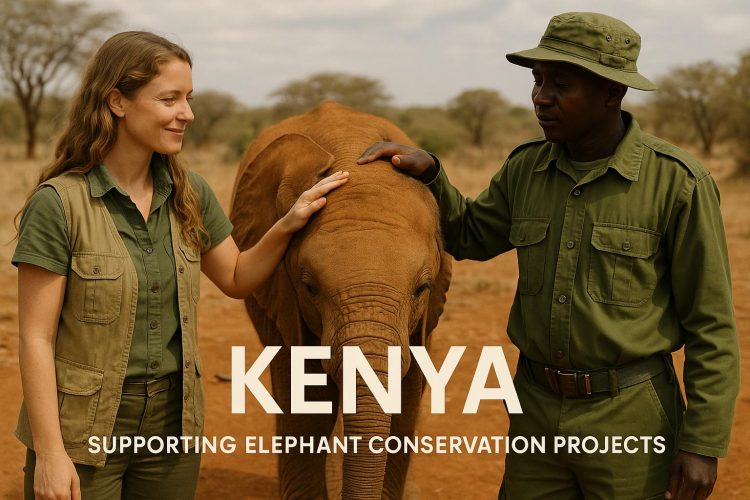
Understanding the Importance of Elephant Conservation
The Role of Elephants in Ecosystems
Elephants, often referred to as majestic creatures, are much more than just the gentle giants of the animal kingdom. They are indispensable components of their ecosystems, playing a vital role as ecosystem engineers. Their sheer size and strength enable them to shape their environments significantly. When elephants traverse their habitats, they partake in feeding habits that have widespread implications. For instance, when they uproot trees and break branches, it results in the creation of clearings. These clearings serve a crucial purpose by allowing sunlight to penetrate the forest floor, which in turn facilitates the growth of new plants. This new vegetation provides sustenance not only for elephants but also for a variety of other species that rely on plants for their survival.
Elephants contribute to the ecosystems they inhabit in numerous other ways as well. One particularly fascinating aspect of their ecosystem engineering is their dung. While it might seem unremarkable, elephant dung is an essential source of nutrients for plants. It enriches the soil, fostering the growth of vegetation and helping to sustain the ecosystem’s biodiversity. Moreover, elephant dung acts as a distribution system for seeds. As elephants consume various plants and fruits, they inadvertently become vehicles for seed dispersal, promoting forest regeneration and the spread of plant species across their habitats.
Key Threats Facing Elephants
Despite their critical role in ecosystems, elephants face numerous threats that endanger their populations. One of the most pressing threats is poaching, primarily driven by the demand for ivory in illegal markets. Poachers target elephants for their tusks, leading to a significant decline in elephant numbers. The ivory trade remains a formidable challenge for conservationists, necessitating international cooperation and stringent measures to combat it effectively.
In addition to poaching, habitat loss is a significant concern for elephants. Human expansion into natural habitats has resulted in the fragmentation of their living spaces. Infrastructure development, agriculture, and urbanization reduce the availability of natural spaces for elephants, pushing these animals into conflict with human communities. As elephants roam in search of food and water, they often encroach upon agricultural lands, leading to confrontations that can have dire consequences for both parties.
Furthermore, human-elephant conflicts are exacerbated by habitat loss and fragmentation. As elephants’ habitats become smaller and more isolated, their interactions with local communities intensify. These conflicts can result in the destruction of crops, property, and in some cases, harm to humans and elephants alike. Finding a harmonious balance between human development and elephant conservation poses a substantial challenge that requires collaborative efforts from governments, conservationists, and local communities.
Actions and Strategies for Conservation
Addressing the threats faced by elephants demands a multifaceted approach, and effective elephant conservation projects employ various strategies to tackle these challenges. Anti-poaching initiatives are of paramount importance. These initiatives often involve the establishment of patrolling teams tasked with safeguarding elephant populations from poachers. Additionally, the use of technology, such as drones and GPS tracking, enhances monitoring efforts and aids in real-time intervention against poaching activities.
Another crucial aspect of elephant conservation is the effort to reduce human-elephant conflicts. Conservationists work to create wildlife corridors—pathways that allow elephants to move safely between fragmented habitats. These corridors are designed to minimize encounters between elephants and humans, reducing the potential for conflicts and ensuring that elephants can access the resources they need without encroaching on human settlements.
Education and community outreach programs also play a pivotal role in conservation efforts. By fostering coexistence and encouraging local communities to participate in conservation initiatives, these programs aim to create understanding and empathy for elephants among people living near their habitats. Engaging local communities is essential for the long-term success of conservation efforts, as it promotes a sense of ownership and responsibility for preserving both the elephants and their environment.
How to Support Conservation Efforts
Supporting elephant conservation is a collective effort that can be enhanced through individual contributions. One way to help is by donating to reputable organizations actively engaged in conservation initiatives. Organizations often offer options for symbolic adoptions, where individuals can financially support habitat protection and anti-poaching activities. Such contributions can have a direct impact on the ground, funding critical projects aimed at safeguarding elephants and their habitats.
Volunteering with conservation groups is another valuable way to contribute. Volunteering provides hands-on experience in conservation efforts, allowing individuals to work directly with projects focused on protecting elephants and educating local communities. Additionally, participating in eco-tourism can provide economic incentives for communities to protect elephants and their habitats. By choosing responsible and sustainable tourism practices, travelers can support local economies and promote conservation as a viable means of livelihood.
For those seeking further information on how to support elephant conservation, visiting dedicated organizations’ websites can be informative. Websites such as World Wildlife Fund and Save the Elephants offer comprehensive resources that outline ways to get involved, whether through donations, advocacy, or participation in conservation initiatives.
By participating in these efforts, individuals worldwide can contribute to a collective movement aimed at preserving these incredible creatures for future generations. Together, we can work towards ensuring that elephants continue to thrive in the wild, benefiting not only biodiversity but also the health of the ecosystems they call home.