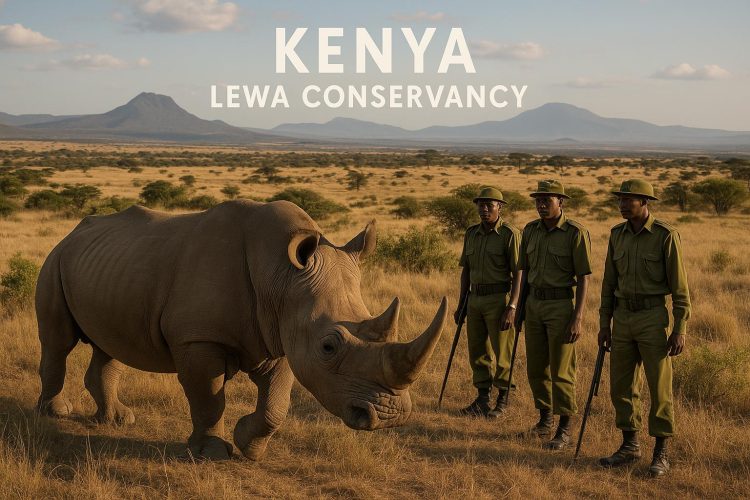
Introduction to Lewa Conservancy
Lewa Conservancy, a key landmark in wildlife conservation, is located in Northern Kenya, and covers over 62,000 acres. Established in 1995, it serves as a crucial sanctuary for various endangered species, with particular emphasis on the conservation of rhinoceroses. Beyond its commitment to wildlife, Lewa is equally dedicated to the sustainable development of local communities, fostering a symbiotic relationship that benefits both the environment and its human inhabitants.
Conservation Efforts
At the heart of Lewa Conservancy’s mission is the effort to maintain and preserve the rich biodiversity unique to the Kenyan landscape. Through a myriad of initiatives, the conservancy actively combats threats to wildlife through concrete steps that include anti-poaching activities and community collaboration. Among the various animals protected within this expanse, the focus on rhino conservation highlights Lewa’s essential role as a beacon of hope for these threatened species.
Rhino Conservation Initiatives
Lewa Conservancy’s approach to rhino conservation is multifaceted, weaving together direct protection, scientific research, and community engagement—each playing an indispensable role in sculpting a future where rhinos can thrive.
Direct Protection: The backbone of Lewa’s protection efforts includes a well-equipped team of rangers who harness modern technology to secure these animals from poaching—a primary threat to rhinos. Through advanced surveillance techniques and partnerships with law enforcement, the anti-poaching teams have significantly curbed illegal hunting activities by deterring and capturing poachers who pose a threat to these majestic creatures.
Scientific Research: Within the walls of Lewa, science walks hand in hand with safeguarding efforts. Researchers pour over data concerning rhino behaviors, movements, and habitat patterns. Such detailed insights are pivotal, offering a data-driven backbone needed to strategize effectively against looming threats.
Community Engagement: A cornerstone of conservation success is embedding a sense of familiarity and engagement within surrounding communities. Lewa Conservancy prioritizes this by cultivating educational and awareness programs that instill an appreciation for wildlife and teach the value of preserving biodiversity. By doing so, they create a network of informed and invested local stewards.
Challenges and Achievements
Despite tackling several challenges such as poaching, habitat fragmentation, and human-wildlife conflict, Lewa Conservancy boasts significant achievements. Notably, their proactive efforts have led to considerable growth in rhino populations, lending a positive boost to the species’ statistics in Kenya. The conservancy’s innovative and effective model of conservation has inspired similar initiatives across diverse geographical regions. International recognition follows its dedication, with accolades for successfully merging wildlife protection and community development.
Conclusion
Lewa Conservancy stands as a pivotal pillar in not only rhino preservation but also in the broader spectrum of wildlife protection in Kenya. Its unique blend of direct conservation efforts, supplemented with rigorous scientific research and community involvement, positions it as a leading example of sustainable conservation practices. For a deeper dive into their ongoing projects and ways to engage with or support their mission, consider visiting the Lewa Conservancy website. Here, the intricate dance between human communities and wildlife protection unfolds, offering a roadmap to a world where both can exist in harmony.