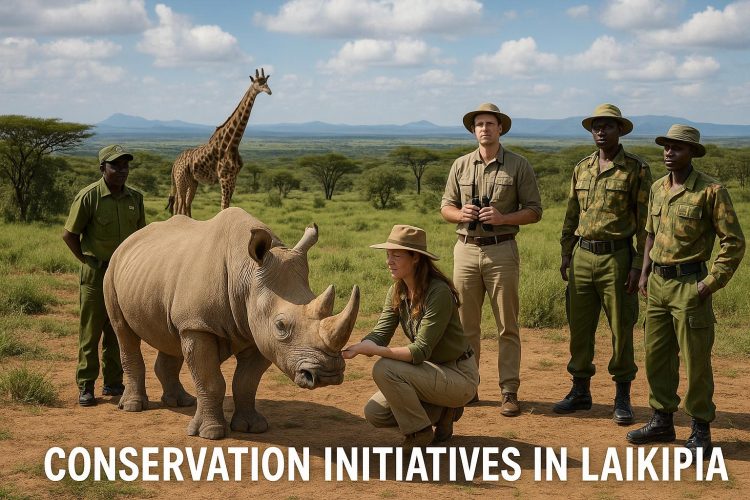
Introduction to Conservation in Laikipia
Laikipia County, located at the equator in Kenya, is noted for its rich array of landscapes, including vast savannas, rolling hills, and lush forests. This geographical diversity contributes to the region’s rich biodiversity, making it home to a wide variety of plant and animal species. Over recent decades, various conservation initiatives have been launched here, driven by the need to preserve this richness and to ensure that the different forms of life can coexist sustainably alongside human populations. These initiatives focus on three primary areas: community involvement, wildlife conservation, and sustainable land management.
Community Involvement in Conservation
A fundamental aspect of conserving Laikipia’s rich biodiversity hinges on engaging local communities directly in conservation efforts. Grassroots initiatives, such as community conservancies, play a critical role in this strategy. These conservancies result from collaborative efforts where landowners, local communities, and conservation organizations join forces. This partnership is crucial as it allows a blend of traditional cultural practices with modern scientific research, yielding innovative and practical conservation solutions.
One notable initiative is the Laikipia Community Conservation Programme. This program exemplifies how community-centric approaches can foster both wildlife conservation and socioeconomic development. It supports several community-based projects aimed at enhancing wildlife preservation efforts while simultaneously providing socioeconomic benefits for the people living in these areas. Among its strategies, the program educates local communities on sustainable practices and equips them with capacity-building workshops, allowing them to engage in eco-friendly enterprises.
Furthermore, community conservancies often become platforms for locals to become directly involved in decision-making processes regarding resource management and utilization. This bottom-up approach ensures that the voices of local populations are heard and that conservation initiatives align closely with the needs and aspirations of those living in Laikipia.
Wildlife Conservation Efforts
Laikipia captures the essence of Africa’s celebrated wildlife diversity, hosting majestic elephants, the endangered rhinos, and the iconic big cats, to name a few. The conservation of these species is a critical objective within the broader scope of Laikipia’s ecological preservation efforts. Moreover, the region’s economy significantly benefits from eco-tourism, which thrives under conditions where wildlife populations are abundant and well-managed.
Organizations like Save the Rhino play an instrumental role in protecting these endangered species. By developing anti-poaching initiatives and ensuring the preservation of natural habitats, such organizations actively engage in bolstering wildlife populations. The use of technology, such as GPS tracking and drone mapping, has become a cornerstone in these conservation strategies, as they help monitor animal movements, map out ecosystems, and preemptively deter illegal poaching endeavors.
Furthermore, these efforts also focus on promoting practices that minimize human-wildlife conflicts. For instance, safeguarding wildlife corridors is a critical action plan to ensure that animals can move freely between habitats without encroaching on human settlements. Through thoughtful land management and habitat preservation, Laikipia aims to maintain a balanced ecosystem where both wildlife and humans can thrive.
Sustainable Land Management
The health of Laikipia’s ecosystems is closely tied to effective land management strategies. To support long-term ecological sustainability, various initiatives integrate conservation measures with agricultural practices, aiming for an all-encompassing management plan that benefits both the environment and the local communities who depend on the land for their livelihoods.
Innovative practices such as agroforestry, rotational grazing, and regenerative agriculture are gaining popularity among local farmers. These techniques are designed to combat land degradation, enhance soil health, and increase biodiversity within farmlands. For instance, agroforestry combines agriculture and tree cultivation to create a more diversified and resilient agricultural ecosystem. Meanwhile, rotational grazing encourages better pasture health by alternating the grazing areas, thus preventing overgrazing and allowing land recovery.
Organizations such as the Nature Conservancy have been instrumental in promoting and supporting these sustainable practices. By working closely with local farmers, they ensure the implementation of methods that optimize productivity while safeguarding environmental health. This dual approach not only furthers conservation goals but also strengthens food security and economic resilience for the communities involved.
Importance of Partnerships in Conservation
The success of Laikipia’s conservation initiatives heavily relies on collaborative partnerships. In time, these relationships have fostered a comprehensive network of stakeholders, including government bodies, non-governmental organizations (NGOs), international organizations, and local communities, who all share a common goal: advocating for effective conservation.
Such partnerships facilitate the exchange of vital resources such as funding, expertise, and innovative ideas that allow conservation initiatives to evolve and adapt to new challenges continuously. For example, cooperation with organizations like the African Wildlife Foundation ensures that Laikipia’s conservation goals align with both national and international ecological and economic policies.
Through these collaborative ventures, Laikipia serves as a dynamic model for conservation practices in Africa, demonstrating the power of unified efforts in addressing environmental and biodiversity challenges. This integrated approach not only preserves Laikipia’s rich natural heritage but also helps in paving the way for a sustainable future that benefits both humans and wildlife alike.