Overview
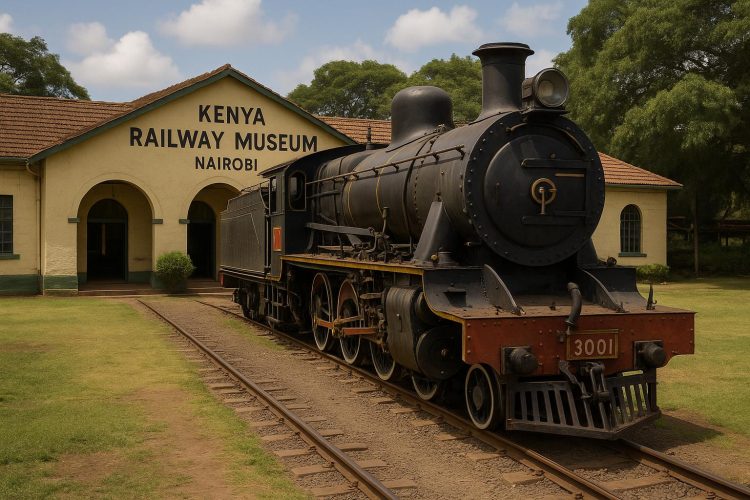
The Railway Museum in Nairobi is a notable establishment focused on the conservation of the rich historical fabric of East African railways. Officially established in 1971, this museum is conveniently situated near the Nairobi Railway Station, nestled in Kenya’s bustling capital city, Nairobi. It stands as an enduring testament to the indispensable role the railway system had in fostering socio-economic growth across East Africa.
Location and Accessibility
Strategically posited just off Uhuru Highway, the museum is directly adjacent to the Nairobi Railway Station. Given its advantageous location near Nairobi’s central business district, access is relatively seamless for both local residents and tourists alike. Whether you are a local looking to delve into your historical roots, or a visitor wanting to explore East Africa’s rich transport history, the museum’s location offers convenience. For exact routes, visiting hours, and additional visitor information, you can refer to Kenya Railways’ official site.
Historical Significance
The Railway Museum serves as an impressive repository housing a wide range of exhibits that meticulously chart the advancement of railway systems within Kenya and East Africa at large. Of particular note is the railway construction project stretching from Mombasa to Uganda, colloquially referred to as the “Lunatic Line.” This monumental undertaking was instrumental not only in the region’s colonization but also significantly bolstered economic growth. This project is reflective of the transformative power of railway infrastructure in regional development.
Exhibits and Collections
The museum features a diverse collection of historical locomotives, wagons, and coaches, with some pieces dating as far back as the early 20th century. Prominent exhibits include a steam locomotive utilized during World War I and several other vintage locomotives that have been immaculately restored. The breadth of the collection extends beyond just trains, encompassing various pieces of railway memorabilia, such as ancient tickets, signage, and communication equipment. Each artifact is a piece of the larger narrative of East Africa’s railway history, offering a tangible link to the past.
Significant Locomotives
Among the stellar attractions in the museum is the locomotive ‘5505’, also known affectionately as the “Governor’s Van.” This historic locomotive was often used to convey dignitaries across the country, etching its name in history. Another vital piece on display is the ‘301’ steam engine, part of the railway’s inaugural fleet. These locomotives not only symbolize the engineering marvels of their time but also provide valuable insights into the arduous conditions faced during the railway’s construction. The determination to complete these railways amidst formidable challenges speaks volumes about the builders’ resolve and vision.
Educational Opportunities
The Railway Museum offers an array of educational opportunities tailored to historians, students, and anyone vested in East African history. The museum regularly hosts guided tours that deliver in-depth narrative and contextual information regarding the exhibits. These tours can significantly enhance understanding, offering detailed perspectives that might otherwise go unnoticed. Additionally, the museum acts as a repository of knowledge, providing resources for researchers and academicians engaged in ongoing studies pertaining to transportation and colonial history. Its significance as an educational hub is further underscored by its collaborations with academic institutions and contributions to scholarly research.
Visitor Experience
Visitors to the Railway Museum can anticipate a deeply engaging experience, with exhibits that have been expertly curated to animate Kenya’s railway history. The museum’s layout is designed to facilitate self-paced exploration, allowing guests to absorb information at their own comfort and rhythm. Knowledgeable staff are readily available to address any queries, ensuring a visitor experience that is both informative and fulfilling. Furthermore, photography is permitted within the premises, granting visitors the chance to document their experience and capture the uniquely intriguing pieces on display. The interactive nature of the exhibits coupled with the accessibility to information enhances the overall experience.
Conclusion
The Railway Museum in Nairobi serves as both an essential educational and historical repository, illustrating the significant impact rail transport had in East Africa. As an institution dedicated to preserving the railway’s history, it offers invaluable insights into the transportation revolution that shaped societies across the region. For those interested in transportation history, colonial societal development, or simply seeking to understand the pivotal influence railways exerted in shaping modern East Africa, a visit to this museum is both informative and enlightening. The museum continues to play a crucial role in educating current and future generations about the transformative power of rail transportation in East Africa’s history. Embracing this knowledge paves the way for a deeper appreciation of railways and an awareness of their continued relevance in modern developments.