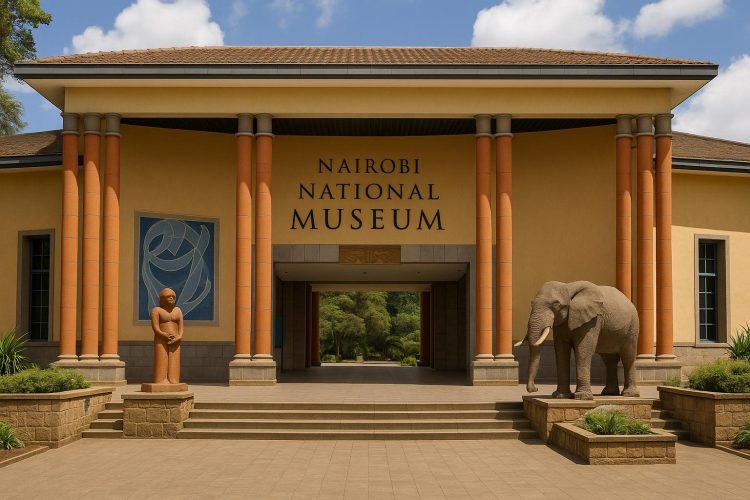
The Nairobi National Museum: A Glimpse into Kenya’s Rich Heritage
The Nairobi National Museum, located in the heart of Kenya’s vibrant capital, offers a comprehensive look into the nation’s diverse cultural, natural, and historical facets. As one of the country’s premier cultural institutions, the museum plays a crucial role in preserving Kenya’s rich history and promoting its unique heritage.
History and Establishment
Established in 1910, the Nairobi National Museum was born out of a need to preserve the region’s diverse natural history. Over the decades, it has expanded to include exhibits on human history, culture, and art. The current museum building, opened in 2008 after extensive renovations, offers a modern and engaging experience for its visitors.
The museum’s origin traces back to the colonial era when there was an increasing recognition of the need to conserve the myriad of archaeological and paleontological artifacts unearthed in the region. The site on Museum Hill became its permanent location, providing a central venue for both research and public education. Supported by government efforts and international collaborations, it evolved into a dynamic center that not only holds but also curates pieces of Kenya’s past, shaping a narrative around them that speaks to both residents and international visitors.
Exhibitions and Collections
The museum houses extensive collections that include both permanent and temporary exhibitions. These exhibitions invite visitors to engage with Kenya’s multifaceted history, from the dawn of humankind to contemporary cultural expressions.
Human Origins
The museum is renowned for its Human Origins gallery, which displays some of the world’s most significant paleoanthropological discoveries. Visitors can explore the story of human evolution through an impressive array of fossils, including remains from valuable archaeological sites such as Lake Turkana. This gallery provides a chronological journey through the evolution of hominids, showcasing the iconic discoveries like the Turkana Boy, a nearly complete skeleton of a Homo erectus youth that provides profound insights into our ancestral past.
Such exhibits are complemented by interactive displays that allow for a deeper understanding of the scientific methods used in discovering and dating these crucial relics of the past. They shed light on the evolutionary journey that connects past ancestors with modern homo sapiens, immersing the visitor in a process that spans millions of years.
Cultural Heritage
The Culture Gallery presents a fascinating journey through Kenya’s heritage, showcasing the traditions and lifestyles of various ethnic communities. Traditional artifacts, clothing, and music give insights into the country’s diverse cultures. Through these displays, the museum highlights the intricate tapestry of customs and social mores that have defined the region.
This gallery does more than present static objects; it offers an immersive experience with videos and auditory displays that transport visitors into the daily lives of the Kenyan people. Visitors can find unique items ranging from elaborately decorated Maasai beadwork to Luo fishing tools, all of which embody the lifestyle and artistry of these communities. This space serves as a cultural bridge that connects people across various traditions and underscores the importance of cultural preservation in fostering national identity and unity.
Natural History
Visitors interested in the natural world will find the Natural History exhibits engaging, featuring a rich array of specimens from mammals to herbarium samples. The museum also hosts a vast collection of ornithological specimens, reflecting the country’s rich biodiversity. This treasure trove is particularly appealing to nature lovers who wish to understand the ecological wealth of Kenya.
The specimens presented do not just aim to inform but to inspire conservation efforts by showcasing the diverse ecosystems that support various forms of life. Educational programs often accompany these exhibits, highlighting current environmental challenges and biodiversity conservation efforts within Kenya. The interaction between flora and fauna is a central theme, reflecting the intricate balance of natural ecosystems.
The Snake Park
Adjacent to the museum, the Nairobi Snake Park is an added attraction. It allows visitors to observe a wide range of reptiles up close, including various species of snakes, crocodiles, and turtles. This exhibit is particularly popular with families and those interested in learning more about Kenya’s reptilian inhabitants.
The Snake Park is dedicated not only to entertainment but also to education and research. By interacting safely with these creatures, visitors gain an appreciation of their role in the ecosystem. The on-site experts provide educational talks on the natural habits, habitat needs, and conservation status of these often-misunderstood animals. This initiative helps demystify reptiles and fosters a greater understanding and respect for these species.
Visiting Information
The Nairobi National Museum is located on Museum Hill, off the Uhuru Highway. It is conveniently accessible from the central business district and other tourist attractions. The facility is equipped to accommodate visitors with a range of needs, ensuring that everyone can fully engage with the exhibits.
For more information on current exhibitions and events, visiting hours, and ticket prices, you can visit the official museum website. The site provides detailed descriptions of the exhibits and offers insights into upcoming events and educational programs that might enhance your visit.
Whether you are a history enthusiast, a nature lover, or just looking to delve deeper into Kenya’s cultural fabric, the Nairobi National Museum offers an educational and enlightening experience. Its accessible location and diverse array of exhibits make it a must-visit destination for anyone eager to learn about the past, present, and future of this remarkable country. By preserving and presenting the intricate tapestry of Kenyan heritage, the museum continues to play an indispensable role in the cultural and educational landscape of the nation.