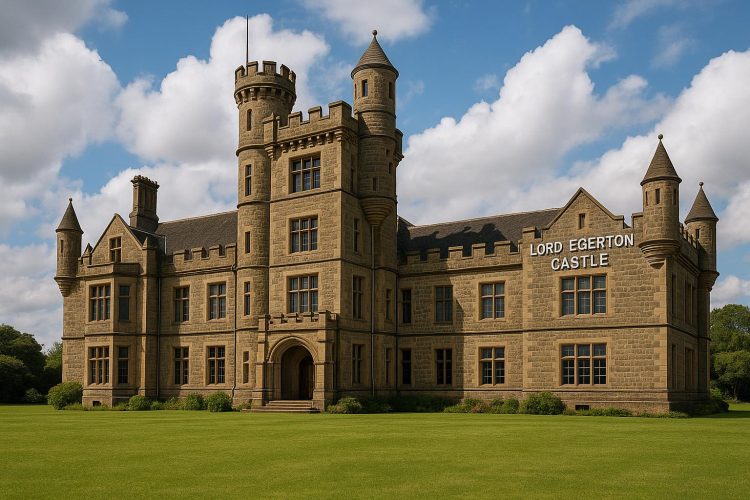
Overview of Lord Egerton Castle
Lord Egerton Castle stands as a significant historical site in Njoro, near Nakuru, Kenya. The construction of this castle, spanning from 1938 to 1954, marks a period of extensive architectural endeavor. Covering an area of approximately 100 acres, the site was commissioned by Maurice Egerton, the 4th Baron Egerton. His ambition was driven by a deep interest in creating a majestic homestead in the Kenyan highlands. The castle not only represents a testament to colonial-era architecture but also offers valuable insights into the life of its original owner.
The Architecture and Design
The architectural design of Lord Egerton Castle is a remarkable example of colonial architecture infused with elements of European design from the early 20th century. This two-story structure comprises several intricately designed rooms, constructed primarily using stone and cement. These materials were chosen for their durability and strength, which has allowed the castle to withstand the test of time.
Inside, the castle is adorned with grand halls, expansive corridors, and finely crafted woodwork, showcasing Egerton’s commitment to meticulous craftsmanship. The interior of the castle includes distinctive elements such as a dedicated music room for orchestral performances, a library housing a collection of rare books, a darkroom for photography processing, and an opulent ballroom designed for hosting lavish events.
Outside, the castle is surrounded by well-manicured gardens that complement the structure’s grandeur. These gardens are not only beautiful but also serve as a serene retreat for visitors wanting to enjoy the peaceful setting.
Historical Context
The history of Lord Egerton Castle is closely linked with Maurice Egerton himself, a British aristocrat who chose Kenya as the site for his permanent residence. Egerton was drawn to Kenya due to its expansive landscapes and favorable climate, which offered a sense of adventure and promise. He was a man of varied interests, including aviation and agriculture, and made significant contributions to the development of these areas within Kenya.
An intriguing part of the castle’s history is its romantic origin. Apparently, Maurice Egerton undertook the significant task of building the castle to impress a lady of noble lineage. Despite these efforts, the narrative of a failed romance is what eventually surrounds its inception. This tale has since become woven into the fabric of the site’s history, adding a layer of personal intrigue to its already rich narrative.
Current Usage and Tourism
Currently, Lord Egerton Castle is managed by Egerton University, an eminent educational institution in the region. The castle serves as a key tourist attraction, drawing numerous visitors interested in exploring its well-preserved interiors and enjoying the serene gardens that envelop the structure. The facility also takes full advantage of its picturesque setting by hosting various events, including weddings and social gatherings, which further enhances its historical allure and cultural significance.
Visitors to the castle can participate in guided tours that offer an in-depth look at the castle’s various rooms and features. These tours are designed to highlight the unique stories and historical context associated with the castle’s construction and its long-term impact on the local community. Through these educational tours, visitors gain a deeper appreciation of the castle’s architectural design, historical background, and cultural significance.
Preservation Efforts
Preservation efforts for Lord Egerton Castle are ongoing, driven by a need to maintain and protect this valuable cultural asset. The process involves several key activities aimed at ensuring the structural integrity of the building is preserved. These efforts also focus on curating exhibitions that reflect the castle’s historical significance, thereby safeguarding it for future generations.
The preservation work is a concerted effort involving structural maintenance, historical research, and community engagement. These endeavors are critical to enabling future generations to connect with and understand Kenya’s colonial past in a meaningful way. They also play a crucial role in promoting cultural tourism and education, helping locals and visitors alike appreciate the intricate details of this architectural gem.
For further details on visiting hours or upcoming events, you can check the official page of Egerton University. The website serves as a valuable resource for potential visitors looking to plan their visit to this historical landmark and provides up-to-date information about various initiatives related to the site’s preservation and use.