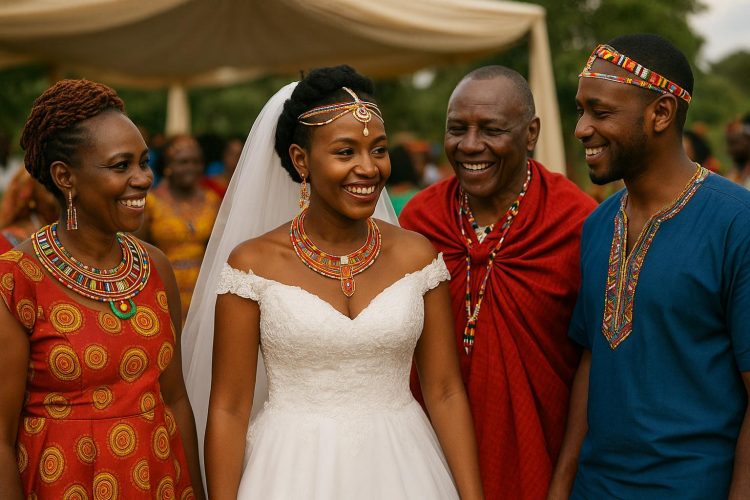
Overview of a Traditional Kenyan Wedding
Attending a traditional Kenyan wedding provides a fascinating insight into the rich and diverse cultural heritage of Kenya. With over 40 ethnic groups, each with its own unique customs and traditions, the wedding ceremonies are a colorful amalgamation of heritage, reflecting the country’s cultural diversity. Despite these differences, there are shared elements that cut across various communities, offering a unifying theme in the celebration of marriage.
Pre-wedding Ceremonies
One of the pivotal stages in the traditional Kenyan wedding process is the Ruracio, which refers to the dowry negotiation process. This ceremony is crucial as it involves both families of the bride and groom. The aim is to reach a consensus on the dowry to be provided by the groom’s family to the bride’s family. The dowry typically includes a mix of livestock, cash, and various items agreed upon by both parties. This event is not merely a transactional process but a significant cultural exchange that cements the bond between the two families, bringing them into a mutual commitment.
Wedding Attire
Wedding attire in traditional Kenyan weddings is an important cultural element, serving as a form of expression for tribal identity. Both the bride and groom often wear clothing reflective of their heritage. This can include elaborate beadwork, vividly colored fabrics, and unique accessories that signify their ethnic group. For instance, individuals from the Maasai tribe may don intricately beaded jewelry and the traditional shuka, a bright red sheet. Conversely, the Kikuyu might favor garments made from kitenge or Ankara fabrics, which are renowned for their vibrant patterns and colors.
The Ceremony
The wedding ceremony itself can display remarkable variations across different Kenyan communities. While the specifics can differ widely, some common features are usually present. These often include religious or spiritual rituals, which can be conducted by a religious leader, community elder, or a family member designated for the role. The exchange of vows stands out as a memorable event, occurring in the presence of family, friends, and community members. Traditional music and dance often accompany the ceremony, along with a celebratory feast that further enlivens the atmosphere. These elements combine to create a joyous and inclusive event that resonates with attendees.
Cultural Significance
Traditional Kenyan weddings are rich in cultural significance, serving as more than just a matrimonial union. They act as a rite of passage for the couple and an important event for their families and communities. Such occasions reinforce communal bonds and facilitate the transmission of cultural heritage and traditions from one generation to the next. The full spectrum of activities surrounding a traditional Kenyan wedding encapsulates values and beliefs that are deeply rooted in Kenyan culture.
Conclusion
In conclusion, participating in a traditional Kenyan wedding is akin to immersing oneself in the diverse customs and traditions that Kenya has to offer. Each element of the wedding, starting from the pre-wedding negotiations right through to the vibrant ceremony, is a reflection of the deep cultural values cherished by Kenyan communities. Those interested in gaining further understanding of Kenyan cultural practices may consider reaching out to local cultural organizations or forums, which can provide additional information. By engaging with these rich traditions, one can appreciate the sophisticated tapestry of customs that define Kenyan weddings and cultural practices.