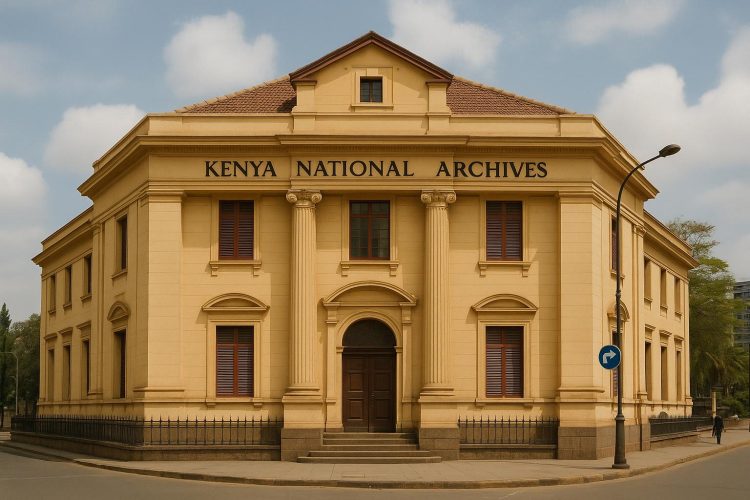
Introduction to Nairobi Gallery
Situated at the heart of Kenya’s capital, Nairobi Gallery is a key cultural and historical landmark. Established in the early 20th century, the gallery is housed in an iconic colonial building known as the Old PC’s office. Renowned for its rich collection of African art and artifacts, the gallery serves as a hub for art enthusiasts and historians alike.
Historical Significance
The building itself is of great historical importance. Constructed in 1913, it was originally used as the office for the Provincial Commissioner. In 2005, it was repurposed into a museum and art gallery, aimed at preserving Kenya’s rich cultural heritage. This transformation allowed the gallery to showcase a wide array of artworks and historical pieces that highlight both traditional and contemporary African artistry.
Art Collection
Nairobi Gallery is best known for its extensive art collection, which spans various themes and styles. Visitors can explore sections dedicated to contemporary African artists as well as traditional tribal artifacts. The gallery hosts temporary exhibitions that feature both local and international artists, thereby providing a platform for artistic dialogue.
Murumbi African Heritage Collection
A highlight within the gallery is the Murumbi African Heritage Collection. This collection is named after Joseph Murumbi, one of Africa’s greatest private collectors of art and artifacts. It includes an array of paintings, sculptures, textiles, and jewelry. The collection offers a glimpse into Africa’s rich artistic traditions and Murumbi’s unique vision.
Visiting Information
The Nairobi Gallery is accessible to the public and provides an engaging experience for art lovers and history buffs. It is located near several other key sites, making it a convenient cultural stop for tourists.
For those who step through its doors, Nairobi Gallery offers a journey through various epochs of African culture and history. The structure itself is as much a part of this journey as the artwork it houses. Built during an era when Kenya was under British colonial rule, the building represents a piece of history that has been transformed into a cultural treasure trove. The gallery invites visitors not only to appreciate art but to reflect on the historical transformations of a nation.
The transformation of the Old PC’s office into Nairobi Gallery was not a mere change of function but also a symbolic reclamation of cultural space, marking a transition from colonial administration to the celebration of indigenous heritage. Each artifact and piece of art within the gallery narrates stories, some hidden and others well-known, about Africa’s cultural and historical past. Nairobi Gallery stands as a testament to both the colonial legacy and the rich cultural tapestry of post-colonial Kenya.
Nairobi Gallery’s emphasis on diverse artistic expressions makes the visit an enriching experience. The sections devoted to contemporary artists are continually refreshed to ensure that the gallery remains at the forefront of cultural conversation. These sections serve as a breeding ground for emerging talent, showcasing various art forms from painting to multimedia installations. They illustrate how contemporary African art dialogues with its historical past while forging its future path.
The presence of traditional tribal artifacts in the gallery further enriches the narrative. These artifacts—which include masks, sculptures, and textile works—bring visitors face-to-face with the distinctive artistry of African tribes. These pieces serve as historical records, documenting the socio-cultural contexts of the tribes that created them. They stand not just as artifacts but as living representations of enduring cultural practices.
Temporary exhibitions are another noteworthy aspect of the Nairobi Gallery. These exhibitions often bring to light international artists who explore African themes, thereby creating a cross-cultural dialogue that links Africa with other parts of the world. This interaction inspires both artists and visitors, offering diverse perspectives and broadening the understanding of art in a global context.
The Murumbi African Heritage Collection stands as one of the gallery’s most admired features. Joseph Murumbi, a former Vice-President of Kenya, amassed one of Africa’s largest private art collections. His dedication to preserving African art has left an indelible mark on the gallery. Murumbi believed that African art and artifacts are crucial to understanding the continent’s history and identity. His vision and passion for art have given the gallery an unparalleled depth, making it a repository of African heritage and culture. The collection is particularly noted for its diversity, ranging from centuries-old tribal artifacts to modern artworks from across the continent.
For those planning to explore the gallery, it offers more than just a visual feast. It is also conveniently located near other significant landmarks, providing a full cultural itinerary for tourists. Visitors often combine their trip to the gallery with visits to nearby attractions, taking advantage of the rich cultural landscape of Nairobi. Practical information, such as exhibition dates and visiting hours, can be found on the gallery’s official website.
In conclusion, Nairobi Gallery stands as a testament to Kenya’s dedication to preserving and celebrating African culture and history. Its location, rich collections, and historical significance make it an essential place to visit for anyone interested in African art and heritage. The gallery not only safeguards the past but also engages actively with the present and the future of African art. It beckons art lovers, historians, and everyday visitors to delve into a world where history and art converge, offering insights that extend beyond the visual.