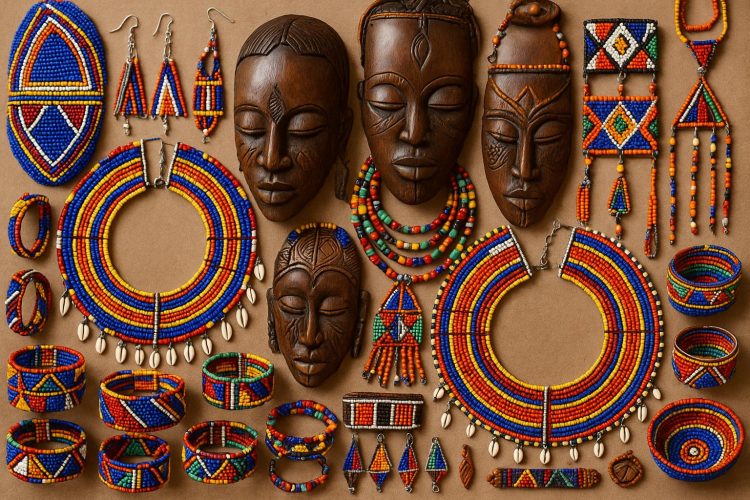
Introduction to Traditional Beadwork
Traditional beadwork is a fascinating and intricate form of art involving the threading of beads onto strings, wires, or fabrics to produce detailed patterns and designs. This age-old practice has been an integral part of various cultures across the globe for centuries. From Africa and the Americas to Asia, beadwork is not just a decorative art form but also serves as a reflection of cultural identities, traditions, and histories.
Origins and Historical Significance
Beadwork has a rich history that dates back thousands of years, with substantial archaeological evidence found in ancient sites across continents. The use of beads can be traced back to the earliest human civilizations, where they played critical roles as decorative items and symbolic tools used in communication and religious or ritual practices. Before the technological advancement that led to the production of glass, beads were primarily crafted from natural materials such as shells, stones, and bones, showcasing human ingenuity and creativity in utilizing available resources.
Cultural Interpretations
The cultural interpretations and significance attached to beadwork can differ significantly across various societies. In many African communities, for instance, beadwork holds substantial social importance, often used to indicate the wearer’s social status, age, or marital status. The colors and patterns chosen in beadwork can signify different meanings, including power, fertility, or protection.
Similarly, in Native American cultures, beadwork is deeply embedded in spiritual practices and is prominently featured in ceremonial attire. These communities use specific colors and patterns to convey stories, familial connections, and ancestral lineage, underscoring the beadwork’s role as a medium of cultural expression.
Techniques and Styles
Traditional beadwork encompasses a multitude of techniques and styles, each characterized by its unique method and appearance. Below are some common techniques:
Loom Beading: This technique employs a loom to create flat, even strips of beadwork. These strips are often incorporated into clothing or made into jewelry. The precision and uniformity of loom beading make it popular for creating decorative and functional accessories.
Peyote Stitch: Known for its versatility and smooth finish, the peyote stitch is a popular choice for both circular and flat beadwork designs. This technique allows artisans to create intricate patterns and is a favorite among beadwork enthusiasts.
Embroidery: In bead embroidery, beads are sewn directly onto fabric, enabling artisans to form ornate and complex designs. This method is commonly used to create stunning artworks that can cover entire surfaces, whether it be on garments, decorative panels, or ceremonial items.
Contemporary Practices
In the modern era, traditional beadwork continues to evolve and adapt, influenced by global exchanges and technological advancements. Contemporary artists and artisans have been exploring innovative ways to marry traditional methods with modern materials, creating new forms of expression that celebrate cultural heritage while pushing the boundaries of creativity.
The rise of social media and online platforms has also played a vital role in the dissemination and preservation of beadworking techniques. Artisans now have unprecedented access to a broader audience, enabling them to share their craft with enthusiasts worldwide. This accessibility helps in maintaining the vibrant tradition of beadwork, ensuring its relevance for future generations.
For those interested in delving deeper into the intricacies of traditional beadwork, exploring resources such as the NativeTech website offers valuable insights into Native American technologies and beadworking techniques. Additionally, institutions like the Cornell University Museum provide exhibits and educational programs that celebrate the artistry and history of these traditional crafts.
In conclusion, traditional beadwork is more than just an art form; it is a rich tapestry of cultural expression and identity. Whether used to convey social status, spiritual beliefs, or ancestral lineage, beadwork continues to be a vital and cherished part of cultural heritage for many communities worldwide. As the practice evolves, it bears witness to the dynamic interplay between tradition and innovation, inspiring new generations of artisans to continue this timeless craft.