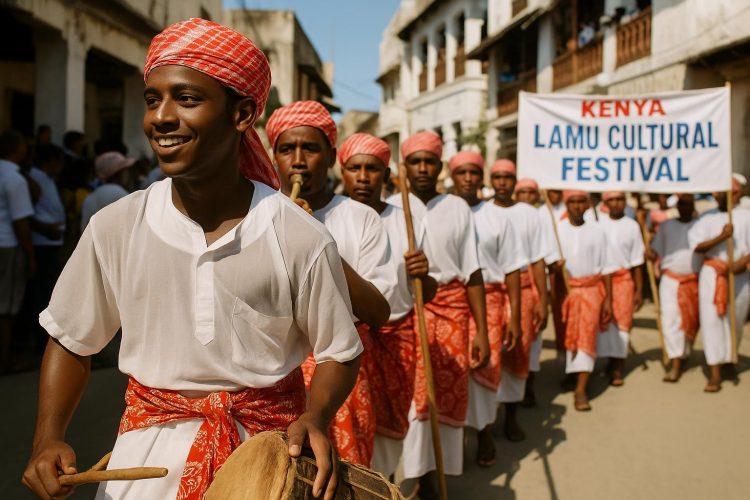
Overview of Lamu Cultural Festival
The Lamu Cultural Festival is an annual event that takes place on Lamu Island, situated off the northeastern coast of Kenya. This festival is a celebration of the rich history and diverse cultural heritage of the Swahili people, who inhabit this region. During the festival, Lamu becomes a vibrant center of activity, drawing visitors from across the globe.
Historical Significance
Lamu Island holds the distinction of being a UNESCO World Heritage Site, recognized for its longstanding historical and cultural value. It is considered one of the oldest, most well-preserved Swahili settlements in East Africa. The island’s narrow cobblestone streets, the distinct Swahili architecture, and the lively markets offer visitors a unique window into the past. The Lamu Cultural Festival serves to underscore the historical importance of the island and highlights the resilience and enduring spirit of its people.
Cultural Performances and Activities
At the heart of the Lamu Cultural Festival are various performances and activities that serve to showcase the local customs and age-old traditions of the Swahili culture. Among these are traditional music sessions, vibrant dances, and poetic expressions known as ‘Taarab’. These cultural expressions provide an insight into the artistic soul of the Swahili people.
Aside from performances, the festival features a variety of distinctive activities such as donkey races and dhow sailing competitions. These events draw a significant crowd and add a layer of excitement and participation to the festivities. Various workshops also take place during the festival, where participants can delve into Swahili crafts and cuisine, gaining valuable knowledge about local craftsmanship and taste.
Donkey Racing: In Lamu, donkeys are not just animals but a vital mode of transport, woven into the social and cultural fabric of the community. The donkey race, therefore, becomes a symbolic event, drawing significant attention and participation from both locals and visitors.
Dhow Sailing: The dhow races are a tribute to the maritime heritage of the Swahili coast. Seasoned sailors showcase their skills by navigating these traditional wooden boats, providing a spectacular display of seamanship and celebrating the seafaring traditions of the area.
Promoting Cultural Exchange
The Lamu Cultural Festival is more than a celebration; it is an avenue for meaningful cultural exchange and cross-cultural understanding. Visitors are provided with unique opportunities to engage directly with local artisans, chefs, and performers. Such interactions enrich the experience of attendees, offering a deeper appreciation for the Swahili culture. This exchange of knowledge and traditions enhances cultural awareness and fosters a sense of global connectivity and community.
Sustainable Tourism
The Lamu Cultural Festival also serves an important role in promoting sustainable tourism. It attracts visitors who are keen on cultural experiences, thus contributing to local economies and encouraging the preservation of cultural heritage. This commitment to sustainability ensures that Lamu’s unique cultural landscape is not just preserved but appreciated by future generations as well.
As the festival continues to grow in popularity and impact, its emphasis on sustainability becomes increasingly important. The local community benefits economically from tourism, but there is also a concerted effort to ensure that cultural practices and the natural environment are maintained. Through careful planning and community involvement, the festival models how tourism can be developed in a manner that is respectful and conscious of cultural and environmental considerations.
The festival typically spans several days, allowing ample time for visitors to explore Lamu and its surroundings. The island itself offers a range of other attractions and experiences, with its pristine beaches, historical sites, and traditional Swahili towns. Such attractions complement the festival’s events, providing a comprehensive cultural adventure for all who visit.
The Lamu Cultural Festival stands as an exemplar of how cultural heritage can be celebrated and preserved in a meaningful way. It bridges the past and the present, fostering an appreciation for cultural diversity and promoting understanding between different communities. The festival thus strengthens communal bonds and cultivates a spirit of international camaraderie.
For further details about the Lamu Cultural Festival, interested readers can explore more by visiting the official Lamu Cultural Festival website.