Introduction to Kenyan Cuisine
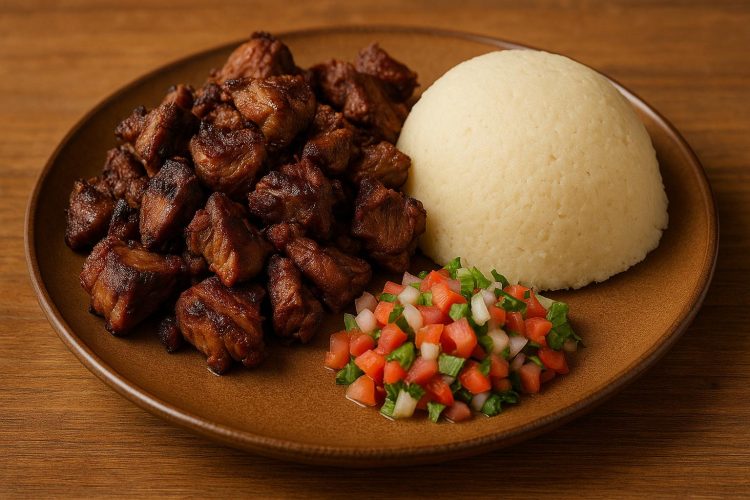
Kenyan cuisine embodies a rich amalgamation of culinary traditions that reflect the diverse communities across the country. Amongst a multitude of indigenous and influenced dishes, nyama choma and ugali stand out not only as staple components of the diet but also as significant elements interwoven into the cultural tapestry and social occasions within Kenya. These dishes offer not only sustenance but also a glimpse into the social and cultural values held by Kenyans.
Nyama Choma: The Iconic Roasted Meat
Nyama choma, which directly translates to “roasted meat,” holds a vital position at the core of Kenyan social life. It forms a central part of the cultural identity in Kenya, where food often transcends basic nourishment to become a focal point in gatherings. Typically made using beef, goat, or chicken, nyama choma is prepared through a simple yet intricate process of roasting the meat over an open flame. This imparts a distinctive smoky flavor that is highly cherished among Kenyans, with the simplicity of spices allowing the meat’s essential flavors to take center stage.
Preparing Nyama Choma
The authentic preparation of nyama choma involves the use of minimal yet carefully chosen ingredients to enhance the natural flavors of the meat. A typical marinade may include a subtle blend of garlic, ginger, salt, with occasional additions of lemon juice or local beer, both of which act as tenderizers and flavor enhancers. Roasting is done slowly over a low-burning fire, with the meat being basted at intervals to ensure it retains its moisture and becomes tender and succulent.
Occasions for Nyama Choma
Nyama choma is inextricably linked with social and communal activities in Kenya. It takes center stage during community feasts, celebrations, and even impromptu social gatherings at eateries popularly known as nyama choma joints. The preparation and consumption of nyama choma are perceived as a group endeavor, transforming it into more than a mere meal—it becomes a shared experience that encourages communal interaction and bonding. This practice not only breaks the monotony of daily life but also reinforces social connections and friendships.
Ugali: The Staple Accompaniment
Ugali is a quintessential element of the Kenyan diet, functioning as a dense, dough-like dish primarily made from maize flour and water. It is the most common staple food in the country and frequently accompanies a wide array of stews and meat dishes, such as nyama choma. Despite its simplicity, the preparation and taste of ugali form the foundation of many Kenyan meals, showcasing its ability to subtly complement the bold flavors of the dishes it is paired with.
Preparing Ugali
The process of making ugali begins with boiling water, into which maize flour is gradually introduced, accompanied by constant stirring to circumvent the formation of lumps. As the mixture thickens, it is subjected to brief steaming, which contributes to its distinctive texture. The result is a dish that is substantial in both texture and taste, carrying a mild flavor that serves as a perfect palate cleanser, balancing the more intense flavors of accompanying meats and vegetables.
Cultural Significance of Ugali
Ugali holds a profound cultural significance within Kenyan households. Its affordability, nutritional content, and filling nature make it accessible across various socioeconomic backgrounds. Around the family dining table, it embodies an essence of home and comfort, enriching meals with its presence regardless of the accompanying fare. The familiarity of ugali at mealtimes is a reminder of home, providing not just physical nourishment but also a sense of belonging and continuity.
Conclusion
The culinary landscape of Kenya is beautifully reflected in the universal appeal and cultural significance of dishes like nyama choma and ugali. These culinary staples form an integral part of the nation’s gastronomical identity, offering much more than nourishment alone. As facilitators of social interaction and expressions of cultural heritage, they provide valuable insights into the practices and flavors that characterize Kenyan cuisine. An exploration of these dishes opens a doorway into understanding the varied influences and traditions that define East African dining experiences. For those interested in further exploring East African culinary practices, various resources are available that delve deeper into the region’s diverse and rich food culture.