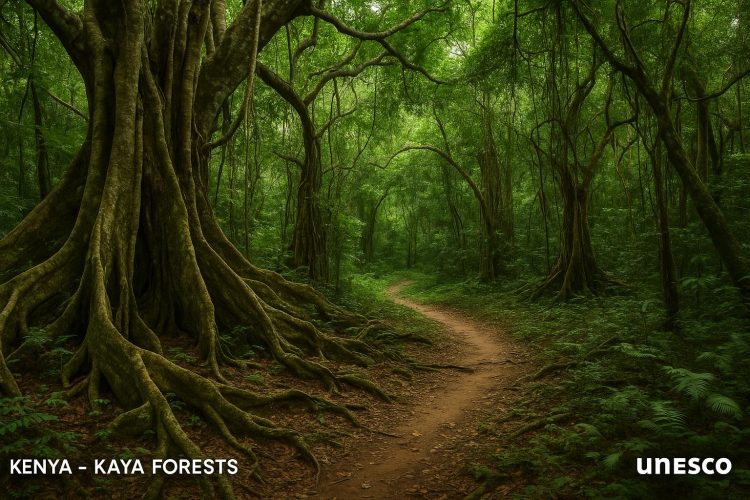
Introduction to Kaya Forests
The Kaya Forests are an integral part of Kenya’s cultural and natural heritage, recognized as a UNESCO World Heritage Site. Situated along the coastal region of Kenya, these mystical forests hold significant historical, spiritual, and ecological importance. The term “Kaya” comes from the Mijikenda people, meaning “homestead” or “village,” which reflects the forests’ role as sacred spaces for the indigenous communities.
Historical Significance
The Kaya Forests served as fortified villages for the Mijikenda people from the 16th to the early 20th centuries. The communities established these areas as places of retreat and fortification in response to invasion threats. Over time, the forests became holy sites, housing cultural treasures and sacred artifacts of the Mijikenda. The connection between the Mijikenda people and the Kaya Forests is deep-rooted and longstanding.
Mijikenda Societal Structure
The Mijikenda society is composed of nine tribes, with each having its own Kaya forest. These tribes include the Chonyi, Digo, Duruma, Giriama, Jibana, Kauma, Kambe, Rabai, and Ribe. Each tribe considers their respective Kaya as the nucleus of their identity, linking them unswervingly to their ancestors. These forests were not just sanctuaries during conflicts; they represented a sanctuary of culture, a perspective of social organization, and a connection to ancestral lineage. Thus, these forests continue to be invaluable to understanding the collective heritage and legacy of the Mijikenda people.
Spiritual Importance
Today, the Kaya Forests remain vital as spiritual and ceremonial locations. They are considered holy grounds, where rituals and traditional ceremonies are conducted. Community elders, known as the Kaya elders, play a pivotal role in maintaining these traditions and overseeing religious observances. Their stewardship helps preserve the cultural practices and collective memory of the Mijikenda. Maintaining spiritual reverence for the Kaya Forests is essential, as it ensures that the cultural essence and spiritual framework passed down through generations remain vibrant. The religious practices observed in these sanctuaries embody deep respect for nature, as the forests are seen as dwelling places for spirits and deities.
Ecological Value
In addition to their cultural significance, the Kaya Forests are ecologically important. They provide a rich habitat for diverse plant and animal species, some of which are endemic to the region. These forests play a crucial role in maintaining local biodiversity and ecological balance. The trees and flora within the Kaya Forest contribute to climate regulation by absorbing carbon dioxide and maintaining the hydrological cycle. These ecosystems perform essential functions such as soil conservation, water filtration, and providing resources like timber, fruits, and medicinal plants indispensable for local communities.
The presence of rare species of monkeys, reptiles, and birds highlights the biodiversity housed within these forests. As a result, conservation efforts are crucial to preserving these unique ecosystems, especially as they face threats from urbanization and deforestation.
Conservation Efforts
The designation of the Kaya Forests as a UNESCO World Heritage Site highlights their international importance and underscores the need for preservation. Conservation initiatives focus on protecting the forests while respecting the traditional rights of the Mijikenda people. Collaborative efforts between local communities, government agencies, and international organizations aim to safeguard these sacred and ecologically significant areas.
Efforts have been heightened to involve the local communities in conservation activities, recognizing them as active participants rather than passive beneficiaries. Empowering the Mijikenda people through education, awareness campaigns, and sustainable practices not only helps in conserving the forests but also serves to alleviate poverty by creating alternative livelihood opportunities. In addition, integrated conservation strategies are adopted, blending indigenous knowledge with scientific research to enhance biodiversity protection, promote environmental resilience, and foster sustainable use of resources.
Sustainable Practices and Community Engagement
Sustainability remains at the heart of preserving the Kaya Forests. Community-based forest management practices are vital as they ensure the participation of the Mijikenda in maintaining their heritage. Agroforestry, eco-tourism, and other sustainable land-use practices are encouraged to reduce pressure on forest resources. These practices serve as vehicles for economic development while ensuring environmental conservation.
In addition, community engagement extends to educating the younger generations about their cultural heritage and the ecological significance of the Kaya Forests. This approach is instrumental in securing ongoing preservation efforts, as it fosters a sense of ownership and responsibility among local youths.
Challenges and Future Prospects
The conservation of Kaya Forests faces several challenges, including the ever-looming threat of urbanization, illegal logging, and encroachment. These challenges necessitate robust policy interventions and strict enforcement of regulations to protect these forests effectively. It requires cooperation between different stakeholders including local communities, conservationists, policymakers, and international partners to devise strategies that resonate with the needs of both the environment and the people.
Looking toward the future, the Kaya Forests hold immense prospects for eco-tourism, which can play a critical role in maintaining the balance between conservation and economic development. Promoting eco-friendly tourism offers a platform for showcasing Kenya’s rich heritage while incentivizing the preservation of these invaluable ecosystems.
The Kaya Forests offer a window into Kenya’s cultural heritage and present a valuable ecological treasure. Preservation of these forests ensures the continued legacy of the Mijikenda people and the diverse ecosystems thriving within. The combined efforts in conservation highlight the significance of these forests not only as historical and cultural icons but as living spaces teeming with biodiversity and ecological value.
Learn more about the UNESCO designation and conservation efforts.