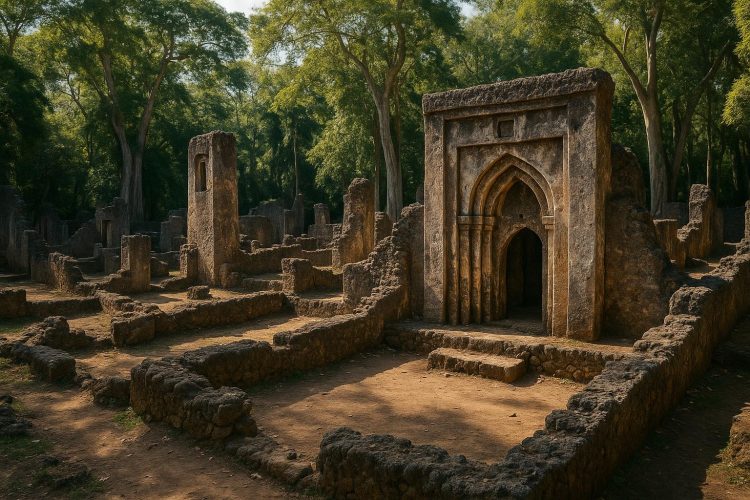
The Gedi Ruins: A Historical Insight
The Gedi Ruins, located near the coastal town of Malindi in Kenya, offer a fascinating glimpse into the past. This archaeological site is thought to have been a thriving settlement between the 12th and 17th centuries. Despite its apparent significance, Gedi remains somewhat of an enigma, with many aspects of its history still shrouded in mystery.
Location and Accessibility
Situated along the Kenyan coast, the Gedi Ruins can be easily accessed from Malindi, which is approximately 16 kilometers away. The proximity to the Indian Ocean meant Gedi was ideally positioned for trade, connecting it with many other cultures and regions. The strategic positioning of this settlement allowed it not only to thrive economically but also to become a cultural hub where diverse traditions and practices coalesced. For those interested in visiting, you can find more information on getting there by exploring local travel guides or visiting Kenya tourism websites.
The Historical Context
Gedi is believed to have been established as a trading and cultural hub along the East African Coast. This settlement, thriving amidst the palm-fringed beaches and mangrove estuaries, captured the essence of a bustling town where diverse cultures interacted harmoniously. Archaeological evidence suggests that the town was a melting pot of cultures, prominently including African, Arab, and possibly Indian influences. These interactions were not limited to architecture; they extended to areas such as cuisine, language, and social practices, thereby shaping the vibrant cultural tapestry that is emblematic of the Swahili Coast.
Architecture and Artifacts
The ruins of Gedi stretch across an approximate area of 45 acres, featuring an impressive array of structures. Among the most notable are residential houses, a mosque, a palace, and several pillar tombs. The architectural style of Gedi is distinguished by the use of coral stones and lime mortar, materials that were locally sourced and indicative of the construction practices prevalent during this period. The structures reveal a community that placed value on aesthetic appeal as well as functionality.
Within these structures, archaeologists have unearthed a wealth of artifacts. Items such as pottery, glass beads, and coins have been discovered, hinting at the extensive trade networks that Gedi was once part of. These artifacts not only provide insight into the economic activities of the time but also reveal much about the social and cultural dynamics of the community. The presence of glass beads and coins suggests a sophisticated trade system that extended with regions far beyond the African continent.
One interesting aspect of Gedi’s architecture is the presence of an advanced drainage system, which underscores the technical and engineering prowess of its inhabitants. This sophistication suggests a high level of urban planning and a deep understanding of the local environment, ensuring that even as the town expanded, its infrastructure remained robust and sustainable.
An Unsolved Mystery
Despite extensive archaeological research, the reasons behind Gedi’s abandonment in the 17th century remain unclear. Several plausible theories have been suggested by researchers and historians over the years. Some theories suggest environmental changes, such as the depletion of water resources or shifts in climatic conditions, might have contributed to its decline. Others posit that changes in trade routes, possibly redirecting the flow of goods and thus wealth away from Gedi, could have rendered it economically unsustainable. Another angle explored is conflicts with neighboring communities, which could have displaced the inhabitants.
This combination of plausible factors presents a complex narrative that underscores the unpredictability and fragility of even the most stable settlements. This mystery of its sudden decline continues to intrigue historians and archaeologists alike. The more these mysteries are explored, the more they invite further questions, captivating the imagination of those who are fascinated by historical enigmas.
Present-Day Significance
For those with a keen interest in the Swahili Coast’s past, the Gedi Ruins offer a unique opportunity to walk through a historical landscape. The ruins allow visitors to step back in time and immerse themselves in the ambiance of a once-thriving city. Exploring these ruins provides a rich, tactile connection to the past; it’s an experience that transcends textbook history, bringing the stories of the past to life.
Maintaining the integrity of such sites is crucial, as they are not only a testament to our past but also key to understanding cultural transformations over the centuries. More detailed explorations can be facilitated by guides or through resources available on cultural heritage platforms.
The Gedi Ruins stand as a testament to a once-thriving city that played an integral role in the cultural and economic exchanges of its time. As a historical site, they offer rich insights into the complexities of cultural interaction, trade dynamics, and urban development during a time where the current nation-states were yet to be conceptualized. They remain a cultural landmark, attracting scholars and tourists who are eager to uncover the secrets of this historical treasure.
Efforts to preserve and study the ruins further highlight the ongoing fascination with the Swahili Coast’s rich history. As research and excavation continue, new discoveries may yet unravel further details about Gedi’s inhabitants, their lifestyles, and their eventual dispersal. With every artifact uncovered, every wall studied, a piece of the puzzle is added, bringing us closer to understanding the full story of this enigmatic settlement.